








In Vivo cell therapy is currently at a critical juncture, transitioning from concept validation to industrialization. In recent years, the global landscape has witnessed multiple large-scale M&A transactions, with multinational pharmaceutical companies collectively investing over ten billion dollars to position themselves in this sector. China, in particular, ranks among the global leaders in clinical development within this field. On May 1, 2026, the "Regulations on the Clinical Research and Clinical Translation Application of Biomedical New Technologies" (referred to as "Decree No. 818") officially took effect, marking the beginning of a new regulatory era for cell and gene therapy in China.
Under the current regulatory framework, cell therapy products face both differentiated challenges and a series of common issues across product characteristics, manufacturing processes, sample timelines, quality standards, and method development and validation. For In Vivo cell therapy specifically, the core product modality has increasingly shifted toward gene delivery systems such as viral vectors and LNPs, with efficacy and safety highly dependent on biodistribution, targeting specificity, transduction efficiency, and expression persistence. As technological pathways evolve rapidly and regulatory frameworks continue to mature, many critical questions remain to be clarified and consensus built within the industry.
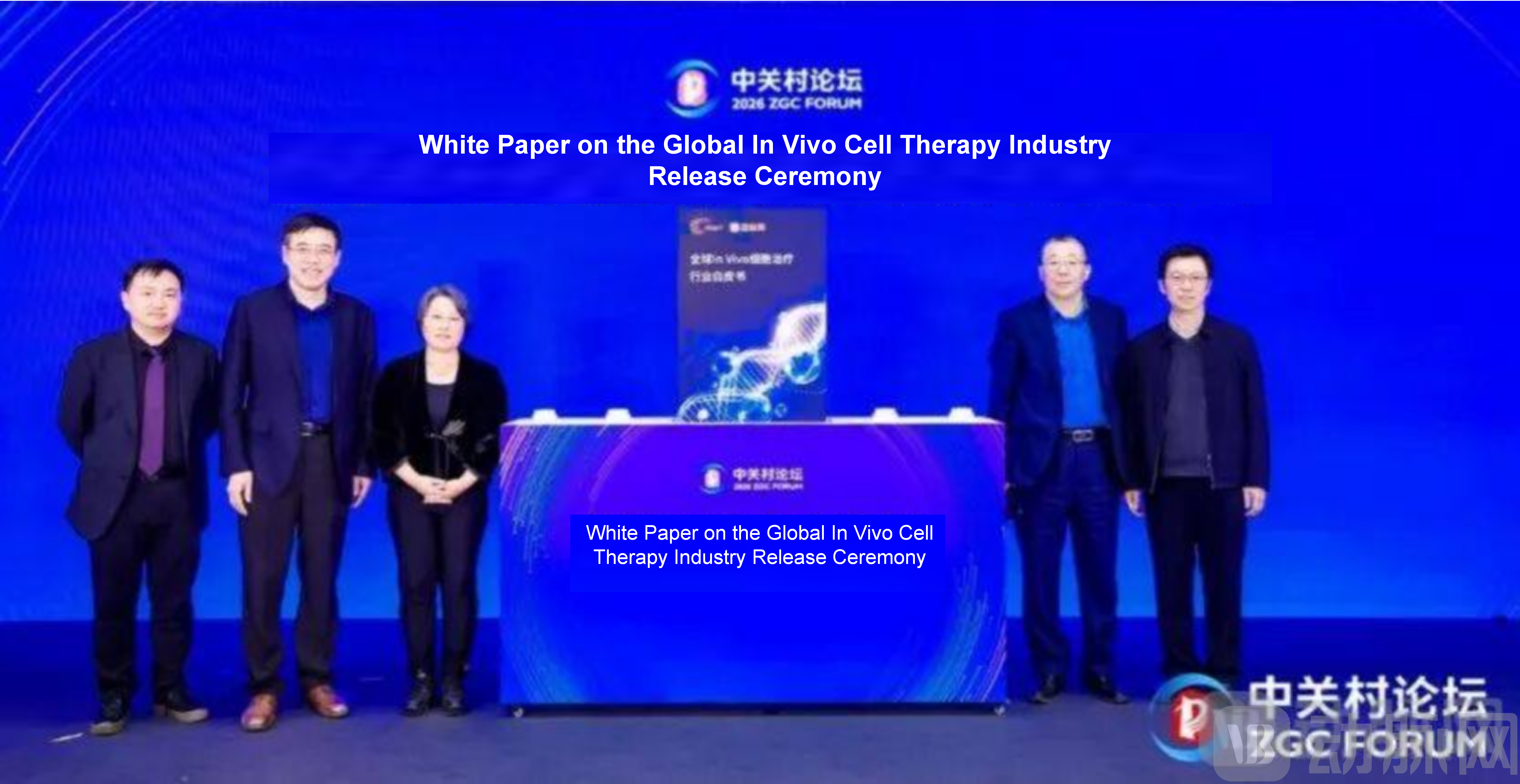
To this end, the CSGCT has taken the lead in organizing the development of the White Paper on the Global In Vivo Cell Therapy Industry, aiming to provide intellectual resources for the industry's advancement. On March 28, 2026, at the Zhongguancun Forum Annual Conference — "Cell and Gene Therapy Innovation and Development Forum," the White Paper was released in its preliminary version, receiving significant attention and recognition from attending experts.
01
Covering the Full Value Chain, Offering In-Depth Clinical and Regulatory Perspectives
This White Paper systematically covers the entire chain — from basic research to clinical application, and from industrial translation to regulatory compliance.
On the technology front, the White Paper provides an in-depth analysis of the underlying rationale behind different delivery routes, including viral vectors, non-viral vectors, and virus-like systems. It presents practitioners' perspectives on targeting capability, payload capacity, manufacturing scalability, and safety profiles across various technology platforms.
In addition to technical deep-dives, the White Paper also incorporates rich insights from industry stakeholders across different segments of the In Vivo cell therapy product application landscape.
Notably, the application of AI in delivery system design is also featured as a dedicated topic of discussion within the White Paper.
On the clinical front, the White Paper addresses how In Vivo cell therapy should evolve and highlights the role of Chinese investigator-initiated trials (IITs) as a global proof-of-concept hub for early-stage pipelines — a core highlight of this report.
The White Paper reviews the current state of clinical practice in both hematological malignancies and solid tumors, and invites frontline clinical experts to share real-world experience in dose exploration, efficacy assessment endpoints, and combination therapy design.
02
Bilingual Publication (Chinese-English), Bridging China and Global Innovation Practice
The White Paper will be released globally in both Chinese and English versions, with the goal of establishing a more open communication framework for this cutting-edge field.
The editorial team of the White Paper combines Chinese practical experience with international perspectives, bringing together not only frontline forces from Chinese clinical, scientific, and industrial sectors but also multiple overseas experts for content development and review. These experts have accumulated extensive experience in areas such as viral vector engineering, LNP-targeted delivery, and gene editing safety assessment, while also being well-versed in key issues related to frontier research, clinical translation, and regulatory communication worldwide.
China has already demonstrated significant momentum in clinical exploration related to In Vivo cell therapy. Through its bilingual release and the participation of international editorial members, the White Paper aims to further bridge Chinese practice with global experience, promoting the formation of a more systematic and open industry consensus.
03
Bringing Together Diverse Perspectives and Amplifying Frontline Voices
A healthy industry ecosystem requires not only good news but also the courage to confront challenges head-on. This White Paper is committed to presenting diverse, authentic, and constructive voices — it does not shy away from industry pain points, but instead offers an in-depth analysis of the underlying technological bottlenecks and industrial dilemmas.
At the same time, the White Paper systematically sorts through various "misaligned" perspectives: Which technologies are perceived differently across R&D, clinical, and manufacturing sectors? What concerns does each side have? Which application scenarios are being underestimated? Where do the expectation gaps lie between different stakeholders?
Through surveys and interviews, we aim for the White Paper to convey more authentic voices — helping every industry professional gain more clinical practice cases, ecosystem collaboration opportunities, and a broader international cooperation platform in the wave of In Vivo cell therapy.
As one editorial board member aptly put it: "Cell therapy is still in its ascendancy; industry peers should pool their wisdom and collectively drive the field forward."
This White Paper has received support from dozens of scientists, clinicians, and entrepreneurs worldwide. We are grateful for everyone's participation.
List of editorial board members
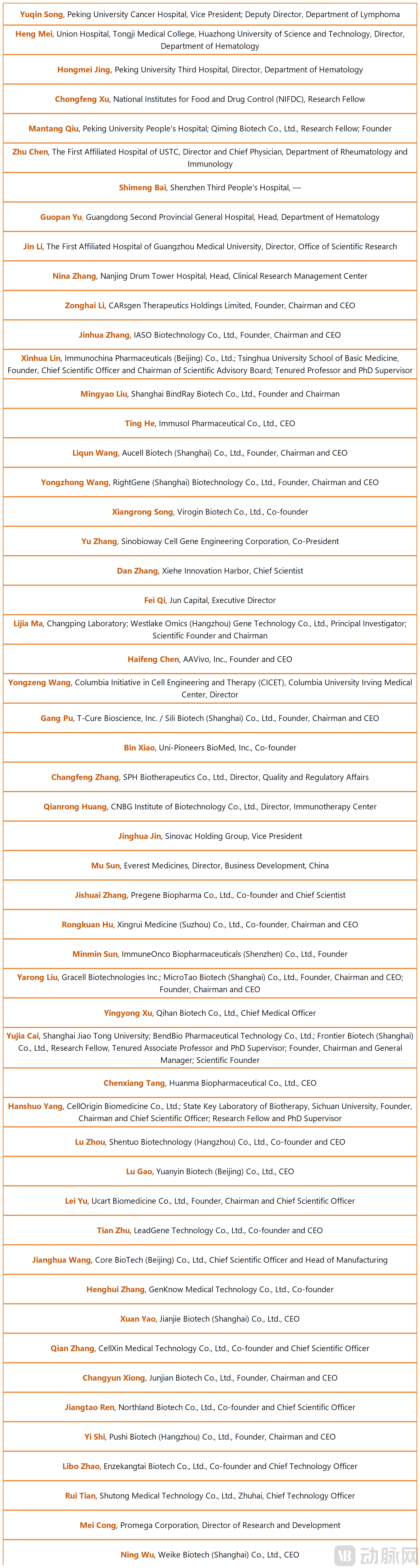
Guests are listed in no particular order; the list is continuously being updated.
If you are interested in participating in the subsequent writing or review of this White Paper, or if you wish to access the White Paper as soon as it becomes available, please add WeChat: 13701064964 (Wu Xuetao).
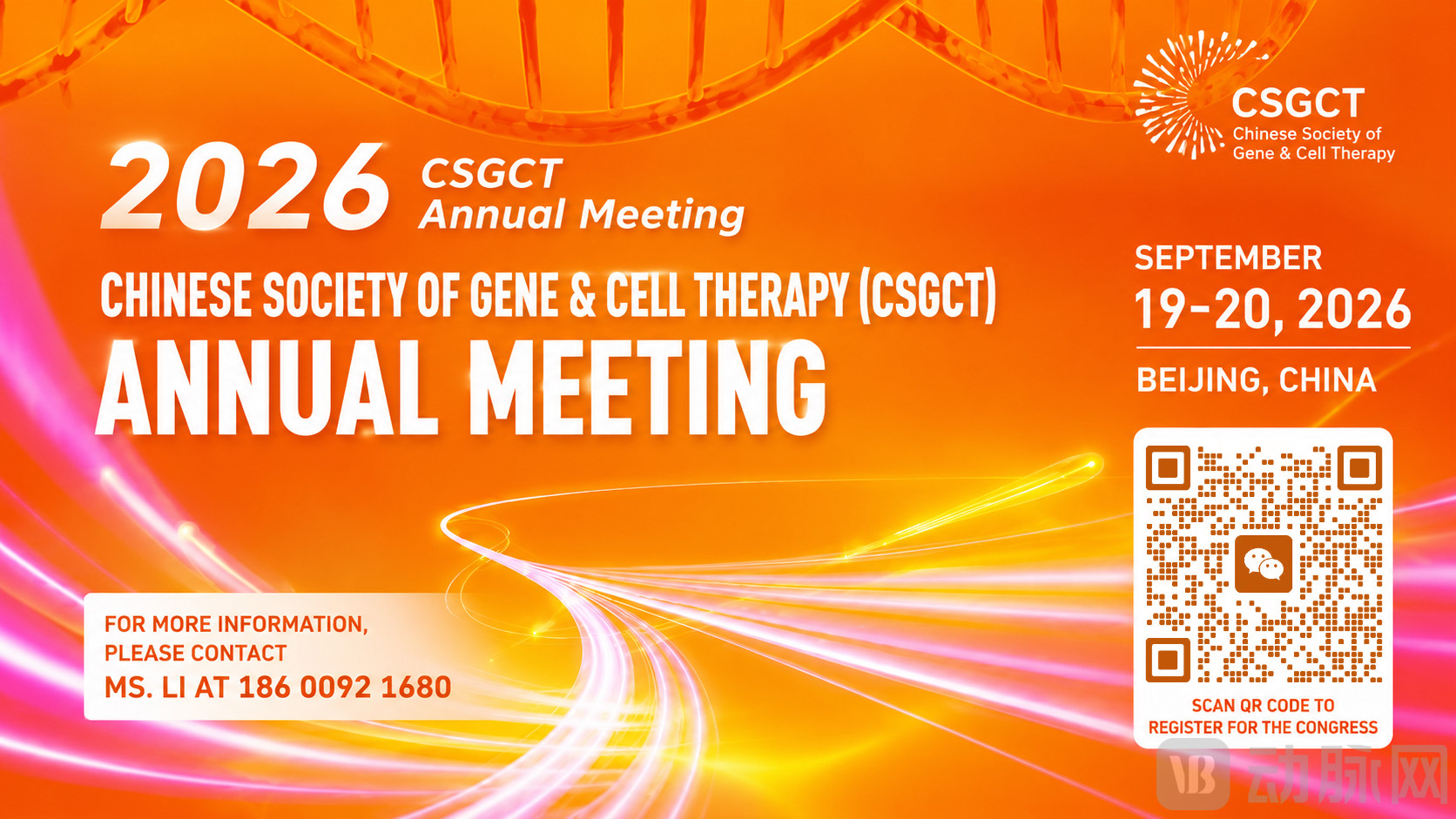
On September 19–20, 2026, an in-depth interpretation of this White Paper will be presented at the CSGCT Annual Conference. Stay tuned!*


















 渝公网安备 50011202502165号